
Welcome to the ADHD-ish ™ Blog

If you've ever Googled "why can't I just get my act together" at midnight, you're in the right place.
The ADHD-ish™ Blog is where business strategy meets brain science — written for entrepreneurs and small business owners who are tired of advice that wasn't designed for the way their minds actually work.
Whether you're officially diagnosed or just ADHD-adjacent, this is your no-fluff resource for building a business that works with your brain, not against it.
What You'll Find on the ADHD-ish ™ Blog
Every blog is grounded in 20+ years of clinical experience and real-world business strategy — not toxic positivity and generic productivity hacks.
Browse the blog for episodes, frameworks, and straight-talk insights on focus, decision-making, pricing, boundaries, and everything else nobody warned you about when you started your business.
New to the ADHD-ish Blog? Start anywhere. That's kind of our thing.
Oh, and if you’re more of a listener than a reader, check out the top-rated ADHD-ish™ podcast!
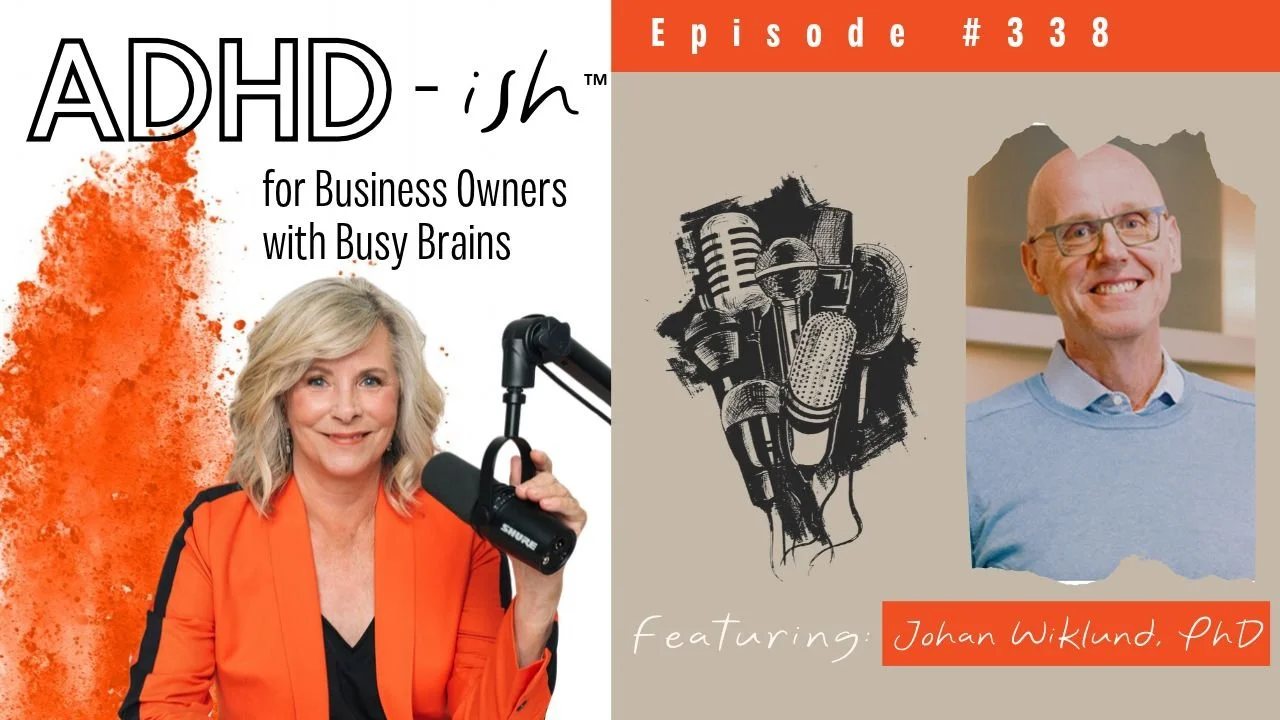
Is ADHD an Advantage in Business? It Depends Who You Are
Discover the truth behind ADHD and entrepreneurship with Professor Johan Wiklund. We explore new gender-focused research, comparing data with real business experiences. Tune in now to unlock these insights and transform how you manage your business!

ADHD Burnout? Build a Business Strategy You'll Keep
ADHD-ish ™ Blog: ADHD service business consistency is one of the most misunderstood goals in the entrepreneurial space. We talk endlessly about ceilings — the record month, the sold-out launch, the season when clients found us faster than we could respond. What we almost never talk about is the floor — the reduced but unbreakable minimum that holds the business together when our capacity drops, our motivation goes quiet, and even opening our laptop feels like a significant achievement.

The Real Cost of ADHD Novelty Seeking in Your Business
Your ADHD novelty-seeking might be costing your business more than you realize. In this ADHD-ish™ episode, discover the hidden price tags and learn how to make smarter business decisions before the next shiny idea steals your time, money, and momentum.
Why Motivation Hack Fails Entrepreneurs with ADHD
ADHD-ish ™ Blog: ADHD neurodivergent motivation is one of the most misunderstood and most shame-laden topics in the entrepreneurial space. We're told we lack discipline. We're told we don't want it badly enough. We're told that if we just built better habits, tracked our time more carefully, or found the right productivity system, the inconsistency would resolve itself.
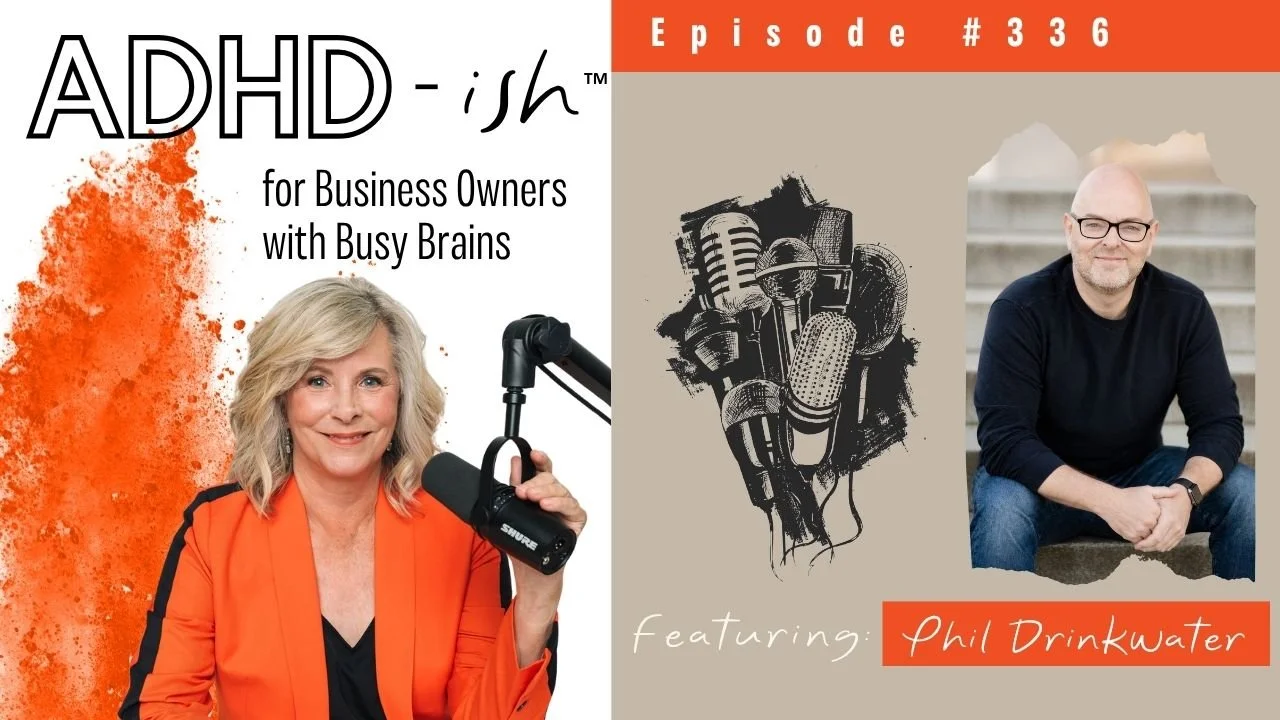
ADHD Founders: Stop Asking "Can I?" and Ask "How Can I?"
You know what to do, but you're still stuck? Listen to two neurodivergent business coaches unpack founder indecision, overcommitting, and stalled momentum, and learn how to build a business that works with your ADHD brain.

ADHD Novelty Seeking Is Wrecking Your Brand Messaging
ADHD-ish ™ Blog: There's a moment most entrepreneurs with ADHD know well. You're in the shower, on a walk, or lying awake at 11pm when your brain delivers what feels like a strategic insight: people must be so tired of hearing this by now. The message feels stale. The framework feels obvious. Surely it's time for something new.

Beyond Motivation: Structuring Your Service Business for ADHD Highs and Lows
What if losing momentum isn’t a motivation problem, but a business design problem? This episode explores ADHD, fluctuating capacity, and building resilient businesses that keep moving when you can’t. Listen in to rethink how you build for the inevitable.

ADHD Emotional Intensity: Why Feeling Too Much Is Not the Problem
ADHD-ish ™ Blog: ADHD emotional intensity is one of the most misunderstood and underexplored dimensions of the neurodivergent experience. It's not about being dramatic, difficult, or oversensitive. It's about experiencing feelings, thoughts, and the world itself with a depth and force that most people around you simply don't share—and rarely know how to accommodate.
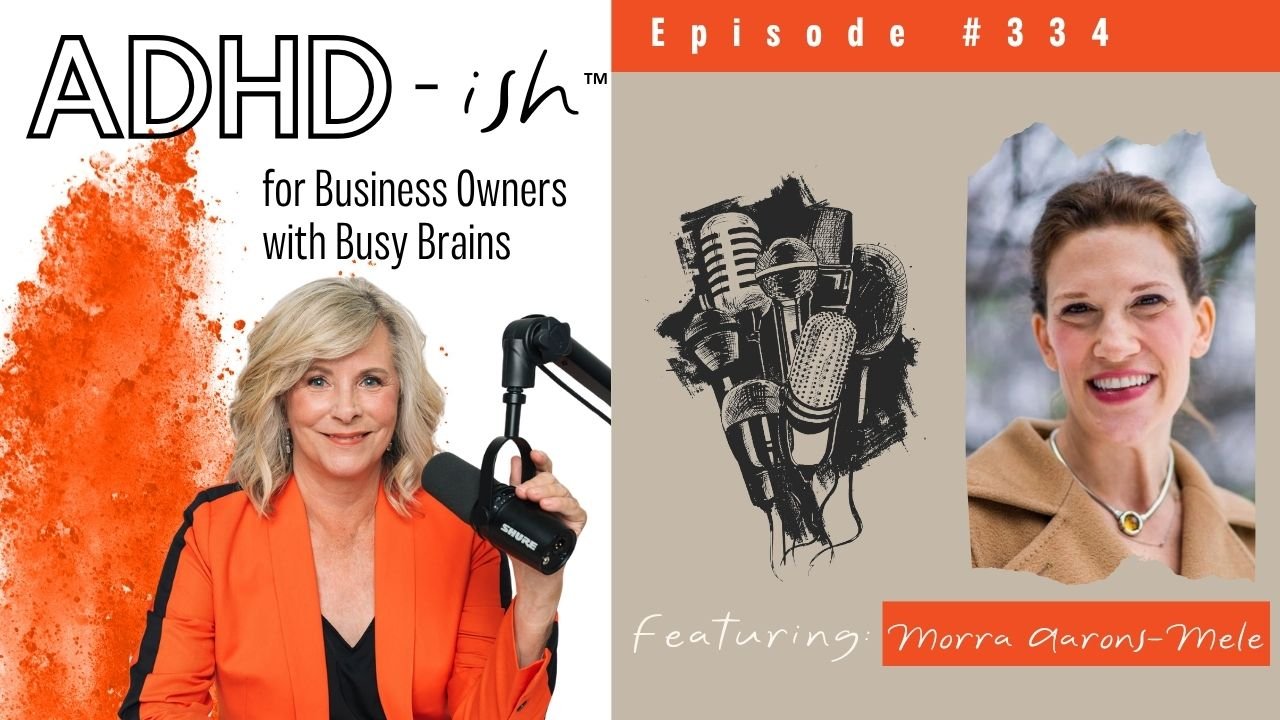
ADHD, Anxiety and the 4 Drivers That Shape Sustainable Work
What if anxiety isn’t sabotaging your success—but secretly fueling it? Morra Aarons-Mele joins us for a vulnerable conversation about ADHD, motivation, momentum, and discovering what actually makes achievement fulfilling. Listen in and rethink how you get things done.

Stop Trying to "Just Be Consistent': ADHD-Friendly Marketing System
ADHD-ish ™ Blog: I've encountered my fair share of marketing advice that simply doesn't fit the reality of living—and building a business—with an ADHD brain. The phrase "just be consistent" is promoted as a universal solution, but for entrepreneurs wired like me, those three words can feel more like a trigger than a form of encouragement. My energy and capacity don't always follow a predictable pattern. Some weeks, I'm riding a wave of hyperfocus and creativity, producing podcast episodes and outlining new projects with ease. Other weeks, even opening my laptop feels daunting. I created the ADHD-ish™ Method for people just like me, who don't need conventional wisdom—they need an ADHD marketing strategy that honors the unpredictable variability of the ADHD experience.

Your Brand Needs Repetition, But Your ADHD Brain Needs Novelty: What's the Solution?
Stop sabotaging your marketing with novelty cravings—learn how repetition builds authority and visibility. Discover Diann Wingert’s “new doors, not new rooms” strategy—listen now to ADHD‑ish™ and make your message finally stick.

When ADHD Product Launch Goes Viral: The Real Cost of Success
ADHD-ish ™ Blog: Most business advice about ADHD product launch viral growth assumes a linear path: build a product, market it strategically, scale thoughtfully, celebrate. What it doesn't prepare you for is the moment demand outpaces every system you have, every boundary you thought you'd set, and every reasonable expectation you brought to the table. That's the conversation nobody is having—and the one that matters most for neurodivergent entrepreneurs who create from lived experience rather than market research.

The Impact of Emotional & Intellectual Intensity on Business, Relationships & Life
What if the intensity you’ve been taught to hide is actually your greatest advantage? Imi Lo and Diann Wingert unpack ADHD, giftedness, autism, sensitivity, and the power of embracing how your brain works. Listen in and discover what your intensity makes possible.

ADHD burnout? Fix your business, not yourself
ADHD-ish ™ Blog: My client, Kim Van Lue, is an executive coach whose journey through consulting, corporate roles, and a deepening awareness of her own ADHD-ish tendencies provided critical insight into what it means to craft a truly ADHD sustainable business as a neurodivergent professional.

ADHD-Friendly Marketing: Staying Visible Even When You Can’t Show Up
Stop forcing consistency and start building it through structure. Discover the Balanced Marketing Strategy that keeps your business visible even on low-capacity weeks—listen now to reframe marketing for your ADHD brain.

ADHD Personal Branding: Why Overthinking Is Your Advantage
ADHD-ish ™ Blog: I've spent years getting to know incredible entrepreneurs, experts, and creatives with ADHD traits, but every so often a conversation truly changes the way I see the intersection between ADHD, storytelling, business, and identity. Brand strategist Kristina Flynn introduced me to one of those transformative moments. As a super-curious human, nothing excites me more than digging into the whys beneath the hows—especially when it comes to ADHD personal branding and the stories we tell ourselves about who we are and the value of what we do in our business or craft.
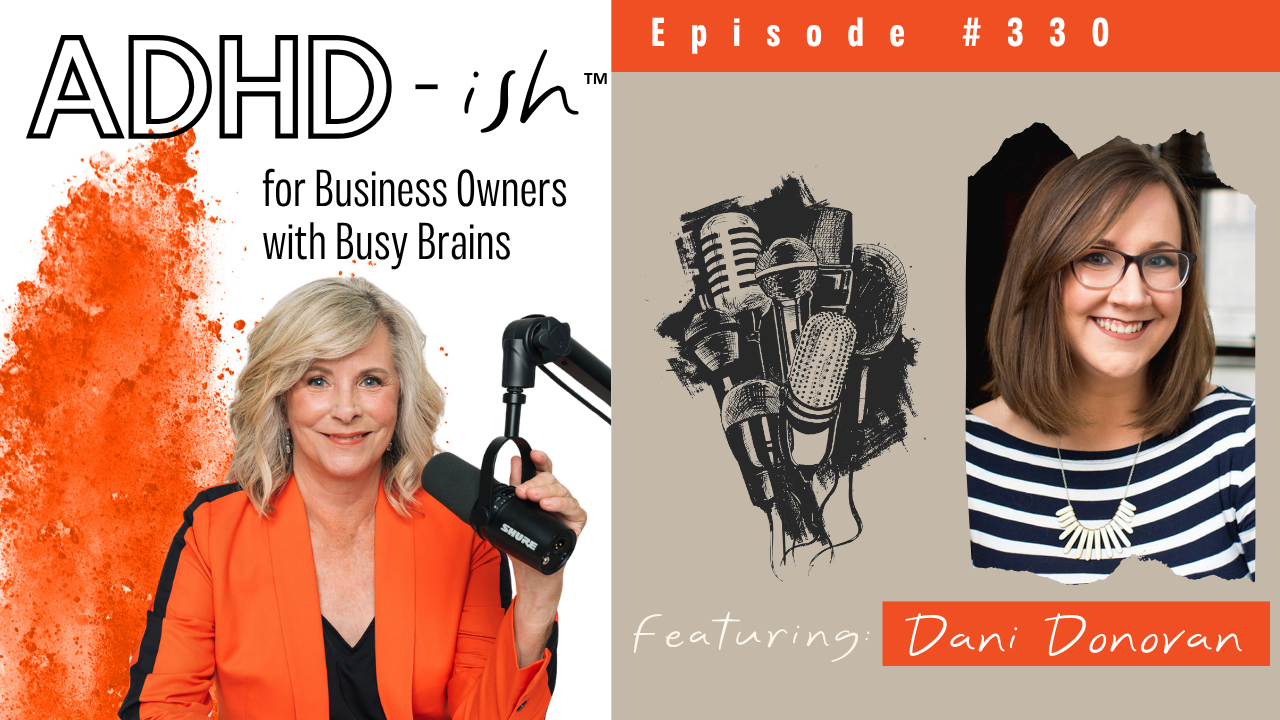
What Really Happens When Your Product Goes Viral
Dani Donovan returns with the unfiltered story behind The Anti-Planner’s explosive success, burnout, and hard-earned lessons. Hear what happens when your biggest win creates unexpected chaos—and how you find your way through it.

How to Position Your Business When Your ADHD Brain Keeps Changing Its Mind
Every rebrand or new offer feels, in the moment, like strategic clarity finally arriving. It rarely is. More often, it's novelty-seeking.
Repositioning because the market genuinely shifted is strategy. Repositioning because you're bored is dopamine-seeking behavior. The two feel identical from the inside.
Diann's own trajectory is instructive here — a real rebrand happened once, deliberately, at a specific inflection point (the shift away from an identity that no longer fit). That's different from chasing the twentieth "aha" idea in eighteen months.

Become A Decision Architect, Not An Dopamine Chaser
ADHD-ish ™ Blog: When I reflect on some of the things I’ve said yes to in my business, I have to laugh at why I called them decisions at all. Some were genuine strategic moves, others were leaps of faith, and many were simply dopamine-fueled impulse I called intuition. In this post, I'm exploring a distinction that's become the core of my work—the difference between options and opportunities—and more importantly, why ADHD decision making, especially for entrepreneurs, makes it nearly impossible to tell them apart in real time.

Why Entrepreneurs with ADHD Rebrand Too Soon (And What to Do Instead)
A rebrand every 12-18 months isn't unusual for an ADHD-run business — it's close to the norm, and it's rarely examined as a pattern in itself.
New frameworks, new language, and new positioning are genuinely stimulating to generate. That excitement is real, and it's also unrelated to whether the previous positioning was actually wrong.
Every rebrand resets the compounding effect the previous positioning was just starting to build. Audiences, AI systems, and referral partners all need repetition to recognize an identity; a rebrand erases the count and starts it over at zero.
This post is a walkthrough on the what, why and how of novelty seeking pretending to be business strategy and what to do instead when your dopamine-starved brain thinks its time to start over.