Neurodivergent Women: Better Communication and Leadership
Why Being a Neurobaddie Is Your Communication and Leadership Advantage
Unlike many who focus exclusively on physical attributes, he highlights traits like honesty, hyperfocus, and authentic passion as qualities that make neurodivergent women exceptional partners.
The Power of "Neurobaddies": Owning Neurodivergent Strengths
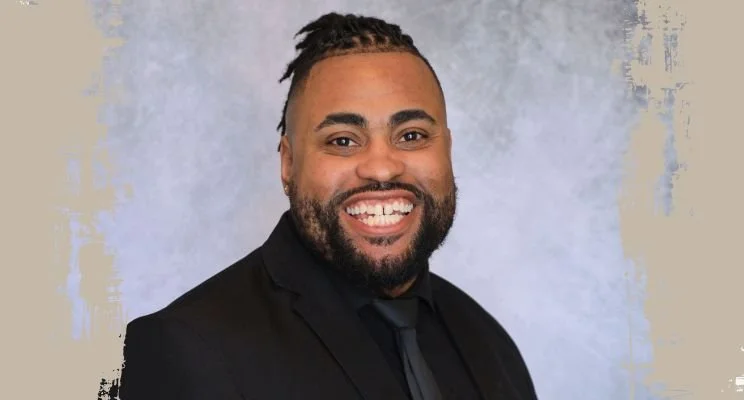
I recently sat down with Dr Dante for a deep conversation about the complex and transformative nature of neurodivergence—particularly ADHD—in relationships and entrepreneurship, exploring how communication and leadership styles differ for neurodivergent women. Our discussion centered on the emergence of the term "neurobaddies," a rebranding of neurodivergent women as both beautifully unique and admirably strong.
Dr. Dante recounts the now-viral moment when he coined "neurobaddies" on TikTok: "The neuro part is the most attractive part," he insists, "all the things that make someone unique." Unlike many who focus exclusively on physical attributes, he highlights traits like honesty, hyperfocus, and authentic passion as qualities that make neurodivergent women exceptional partners. These same traits become powerful assets in communication and leadership when properly understood and channeled.
This message hit home for many, but not without skepticism. Years of negative feedback—often from childhood, peers, and even past partners—can create internalized doubts. We internalize a lot of negative thoughts about ourselves, and those things just tend to accumulate over time. For many women, daring to believe that their quirks and unique wiring could be celebrated, instead of criticized, is a radical shift.
Rejection Sensitivity, Emotional Buoyancy, and the Cost of "All-In" Living
For both Dr. Dante and me, emotional sensitivity is a hallmark of neurodivergence. ADHDers are more likely to experience intense emotions, react sharply to rejection, and struggle with regulation. As Diann Wingert puts it, Our emotions are more buoyant…we can get high, we can get low…we might stay there longer than we like to.
This emotional landscape feeds into both relationships and professional life—especially for entrepreneurs. Neurodivergent folks rarely do things by halves. "I refer to it as being full ass or no ass.” For ADHDers, over-delivery is often both a necessity for stimulation and a response to perfectionism adhd or people-pleasing learned over the years. However, going "all-in" can come at a cost: burnout, exploitation, and leaving loved ones with emotional "leftovers."
Dr. Dante cautions that, ultimately, this relentless drive isn't sustainable: "We don't give our best to things that aren't deserving of our best. But if you're tired, exhausted by the time you get to the end of the day, you can't. You're actually not even giving our best effort in both spaces—you're just telling yourself you are because you're exhausted." This pattern of perfectionism adhd can undermine both communication and leadership effectiveness.
The Relationship Trap: Why Neurodivergent Women Are Vulnerable to Narcissists
A particularly powerful segment explores why neurodivergent women are often ensnared in destructive relationships with narcissists. Dr. Dante and I both recognize a painful pattern in our clients: Narcissists are drawn to neurodivergent women's empathy, honesty, and willingness to overlook red flags—traits that might be adaptive elsewhere but can be weaponized in toxic relationships.
Hyperfocus, openness, and the tendency to self-blame ("I just need to fix myself") driven by perfectionism adhd make ADHD women especially susceptible. The danger is compounded by years of social conditioning to ignore one's own needs and instead accommodate others. As Dr. Dante observes, "If you're prone to oversharing as a woman and you overshare with a narcissist, you're basically giving them the playbook to you."
Escaping such dynamics requires both awareness and community. Diann Wingert emphasizes the necessity of reframing self-perception and finding safety in shared experience.
Acceptance, Community, and Entrepreneurial Justice
Our conversation concluded on a hopeful note: Healing and thriving demands reclaiming the neurodivergent narrative, not waiting for permission from neurotypicals, and seeking belonging with like-minded peers. Whether through entrepreneurship or personal growth, embracing traits like justice sensitivity and unwavering honesty becomes a superpower in communication and leadership.
As Dr. Dante states, "I mean what I say and I say what I mean. I deliver on what I said I was going to do…I'm a person that I am prone to flip a table. If something bad's happening, I will show up." This authenticity forms the foundation of effective communication and leadership for neurodivergent women.
Ultimately, the neurodivergent edge isn't just about surviving the challenges—it's about reshaping the conversation, forging genuine connections, and building businesses and lives where different truly means better.
Are you ready to name it and claim it? Connect with the ADHD-ish community, wear your 'neurobaddie' badge proudly, and start redefining what strength looks like—for yourself and for others.
If you'd like to hear the full episode on the ADHD-ish Podcast, you can do that here.