
Welcome to the ADHD-ish ™ Blog

If you've ever Googled "why can't I just get my act together" at midnight, you're in the right place.
The ADHD-ish™ Blog is where business strategy meets brain science — written for entrepreneurs and small business owners who are tired of advice that wasn't designed for the way their minds actually work.
Whether you're officially diagnosed or just ADHD-adjacent, this is your no-fluff resource for building a business that works with your brain, not against it.
What You'll Find on the ADHD-ish ™ Blog
Every blog is grounded in 20+ years of clinical experience and real-world business strategy — not toxic positivity and generic productivity hacks.
Browse the blog for episodes, frameworks, and straight-talk insights on focus, decision-making, pricing, boundaries, and everything else nobody warned you about when you started your business.
New to the ADHD-ish Blog? Start anywhere. That's kind of our thing.
Oh, and if you’re more of a listener than a reader, check out the top-rated ADHD-ish™ podcast!

Neurodiversity in Business: What ADHD Time Blindness Costs You
ADHD-ish ™ Blog: On the surface, most ADHD coaches will frame time blindness as strictly a productivity problem: you're late, you miss deadlines, you forget about appointments, and then scramble to make up for it with timers, color-coded calendars, with a side of guilt and shame. We're told that if we just managed our time a little better, with the right set of tools, these embarrassing problems would miraculously vanish. But I have to tell you—after decades of living with ADHD, and coaching others with it, and seeing the fallout firsthand—this story is missing the most expensive line item entirely.

30 Minutes a Day Writing Strategy for Distracted Minds
ADHD-ish ™ Blog: I had the pleasure of speaking with Meg Casebolt: my trusted SEO consultant, a fellow ADHD business owner, mom, and, somewhat astonishingly, a prolific author of both fiction and nonfiction. Her approach to creative writing and neurodiversity in business offers a powerful blueprint for ADHD entrepreneurs who dream of becoming published authors.

Neurospicy Entrepreneurial Skills: Get Stuff Done With Joy
When most people think of productivity hacks, joy isn't usually the first thing that comes to mind. But according to neurospicy founder Alexis Hope, joy is not just an afterthought for neurodivergent folks—it's an essential ingredient for getting anything done. Understanding neurodiversity in business means recognizing that joy isn't optional; it's fundamental to executive function for neurospicy brains. For neurodivergent people, motivation is about neurochemistry—dopamine being the star player. Tasks require elements of interest, novelty, or challenge, which is where the ADHD curiosity stream becomes essential—constantly feeding your brain new inputs that spark engagement. Alexis believes finding motivation through mutual accountability and shared joy can turn even tedious tasks into something dopamine-worthy—a perfect example of neurospicy entrepreneurial skills in action. For neurospicy entrepreneurs, seeking out joy, curiosity, and connection isn't childish or indulgent—it's a productivity imperative and competitive edge. When you approach executive function through the lens of joy and embrace neurodiversity in business, the results are transformational.

Neurodiversity in Business: Fix the ADHD Follow-Up Problem
If you have ADHD, you may find yourself constantly playing catch-up on commitments—forgetting promises made in a flurry of good intentions. Understanding neurodiversity in business means recognizing how these patterns impact professional relationships and credibility. This isn't just about dropped balls—it's juggling 17 balls in six places with zero strategy. Six key reasons explain why: impulsive generosity gives us a dopamine hit from being helpful before thinking through whether we can actually deliver. Working memory deficits mean we can only hold three or four mental sticky notes instead of seven or eight. Time blindness swallows our "later today" intentions. Context fragmentation scatters commitments everywhere. Object permanence ADHD makes voice memos vanish from mental view once we sit at our desk. And the shame spiral causes ghosting out of embarrassment. I created the "Follow-Through Filter"—a three-stage strategy to tackle ADHD follow-up woes. With systems tailored for neurodiversity in business, you can turn scattered promises into completed commitments.

ADHD Novelty Seeking: Use Pop-Up Offers for Growth & Fun
Pop-up offers aren't just mini-discounts—they're unique, time-limited packages that emerged from a classic ADHD novelty seeking impulse: the irresistible urge to act on a creative idea. This conversation with copywriter and ADHD entrepreneur Erin Ollila demonstrates why neurodiversity is good for business, showcasing how mini offers for small business marketing can serve both clients and entrepreneurs' brains. For ADHD business owners, pop-up offers provide immediate gratification and variety, combating the energy drain that accompanies longer-term projects while satisfying ADHD novelty seeking tendencies. These bite-sized service options deliver quick wins without requiring months of prep—perfect mini offers for small business marketing. By packaging skills already used in client work, you deliver strategic roadmaps that provide lasting results. This adventurous, iterative approach is a hallmark of ADHD entrepreneurship: embrace experimentation, don't personalize the bumps, and always be ready to pivot. Smart pop-up offers prove why neurodiversity is good for business by transforming neurodivergent traits into competitive advantages.

Entrepreneurial ADHD Traits Don't Always Mean You Should Start a Business
Entrepreneurship is often painted as the ultimate destination for creative, rebellious ADHD minds. But this "one-size-fits-all" message is damaging and misleading. Entrepreneurial traits don't guarantee entrepreneurial success—and pushing everyone with ADHD into this mold leaves many feeling burnt out or broken. Enter intrapreneurship: bringing entrepreneurial energy inside existing organizations. The innovators who developed Gmail at Google or invented the Post-It Note at 3M weren't CEOs—they were employees with infrastructure, resources, and support. Intrapreneurial roles let you channel creativity, solve problems, and create impact without sacrificing the stability and structure that helps many ADHD brains actually thrive. There's no shame in prioritizing stability or thriving within the right organization. You're not settling—you're being strategic and intentional about creating conditions where you can thrive. That's what neurodiversity in business should really look like.
Lead Generation With ADHD: Attract, Don't Chase Relationship Marketing
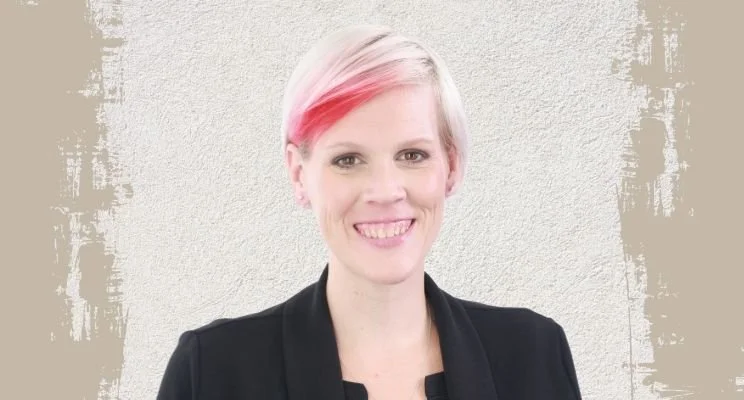
On episode #292 of the ADHD-ish Podcast, Diann Wingert sits down with Cat Orsini to explore a radically different approach to lead generation—one rooted in neurodiversity, authenticity, and relationship-first thinking. Drawing from her lived experience with ADHD, autism, and trauma, Cat challenges the idea that automation has to feel cold or transactional. Instead, she shows how thoughtful systems can support follow-up, reduce executive-function strain, and free up energy for genuine human connection. By mapping interactions, leaning into pattern recognition, and practicing radical self-acceptance, Cat demonstrates how entrepreneurs can stop chasing leads and start attracting aligned opportunities. Her approach proves that when customer relationship marketing is built to fit neurodivergent brains, it becomes not just easier—but far more effective.

Neurodiversity in Business: Masking, Passing & Authenticity
For many ADHD and neurodivergent professionals, success in business often comes with an invisible cost: the effort of masking. What’s often misunderstood as a conscious choice to “fit in” is, for most, a deeply ingrained survival mechanism—learned early and performed instinctively. In this blog, we explore what it means to live and work authentically in a world designed around neurotypical expectations. Through my conversation with ADHD coach and entrepreneur Ron Sosa, we delve into the realities of unmasking, intersectionality, and redefining productivity on your own terms. Ron’s story—spanning early misdiagnosis, identity discovery, burnout, and resilience—reveals how authenticity is rarely linear, but always powerful. From the tension between “superpower” narratives and real lived struggle to the importance of self-acceptance in neurodiversity in business, this piece invites readers to reflect on what standing tall in one’s truth truly means. Because for many of us, authenticity isn’t rebellion—it’s survival.

ADHD: When Passion Backfires in Your Business
Entrepreneurs with ADHD often walk a fine line between passion that propels their business forward and emotional dysregulation that can derail it. In this insightful piece, Diann Wingert explores how understanding the difference—and building the right emotional scaffolding—can turn intensity into a competitive advantage. From recognizing early warning signs to creating structures that protect your decision-making, she offers actionable strategies for thriving in business without sacrificing mental well-being. By embracing neurodiversity and mastering emotional regulation, you can transform your most intense feelings into sustainable success drivers.